
Key Takeaways
- This facility from The University of Birmingham marks the first time in 25 years that the UK has been able to process and produce sintered rare earth magnets domestically.
- The Birmingham facility uses a hydrogen-based recycling method called Hydrogen Processing of Magnet Scrap (HPMS).
- Compared to making magnets from newly mined raw materials, recycling through this facility cuts the carbon footprint by roughly 90%.
New Rare Earth Magnet Recycling Facility Launched In The UK
UK’s New Rare Earth Magnet Recycling Hub Boosts Circular Economy
The UK has taken a major step forward in the circular economy with the launch of a commercial-scale facility dedicated to recycling rare earth magnets. These are critical components used in technologies from electric vehicles and wind turbines to robotics and medical devices.
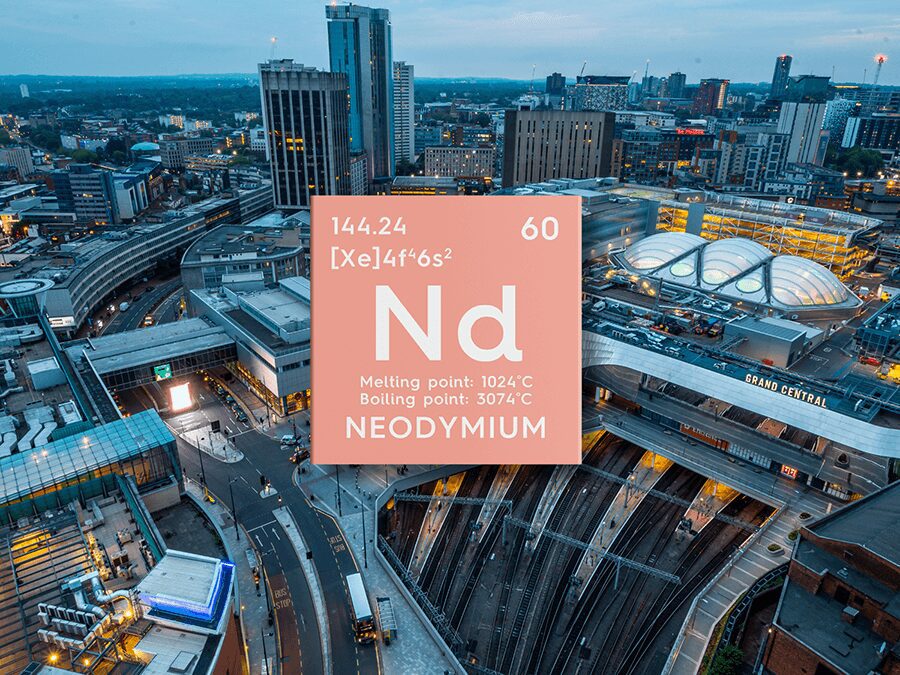
Located at Tyseley Energy Park in Birmingham, this facility from The University of Birmingham marks the first time in 25 years that the UK has been able to process and produce sintered rare earth magnets domestically.
Why Rare Earth Magnet Recycling Matters
Rare earth magnets, particularly those made from neodymium, iron, and boron (NdFeB), are essential in modern, low-carbon technologies. However, the extraction of rare earth elements from primary mineral sources is energy-intensive and often concentrated in a limited number of countries, creating strategic risks for manufacturers and countries relying on imported materials.
By recycling these magnets at the end of life, the UK can reduce dependency on overseas sources, cut carbon emissions significantly, and establish a more resilient supply chain for critical materials.
Innovative Technology with Environmental Benefits
The Birmingham facility uses a hydrogen-based recycling method called Hydrogen Processing of Magnet Scrap (HPMS). This process allows magnetic materials to be separated from end-of-life equipment, such as hard drives, electric motors, and wind turbine components, without fully dismantling them.
Once extracted, the rare earth alloy can be refined and turned into new sintered magnets right on site. The system is designed for commercial-scale output, capable of:
- Recovering over 400 kg of rare earth alloy per batch, and
- Producing up to 100 tonnes of magnets per year on a single work shift, rising to 300 tonnes with multiple shifts.
Compared to making magnets from newly mined raw materials, recycling through this facility cuts the carbon footprint by roughly 90%, a huge win for environmental sustainability.
Supporting UK Strategy and Industry
The facility’s launch reinforces the UK government’s Critical Minerals Strategy, which aims to improve domestic supply resilience by increasing local production and recycling of strategic materials.
By 2035, the strategy targets meeting at least 10% of annual rare earth mineral demand from domestic sources and 20% through recycling.
Backed by £4.5 million in funding from Innovate UK and supported by additional grants, the project exemplifies how research-to-industry collaboration can deliver real economic and environmental benefits.